DESIGN A CHARACTER WITH A REASON TO EXISTYour MHA OC
design guide.
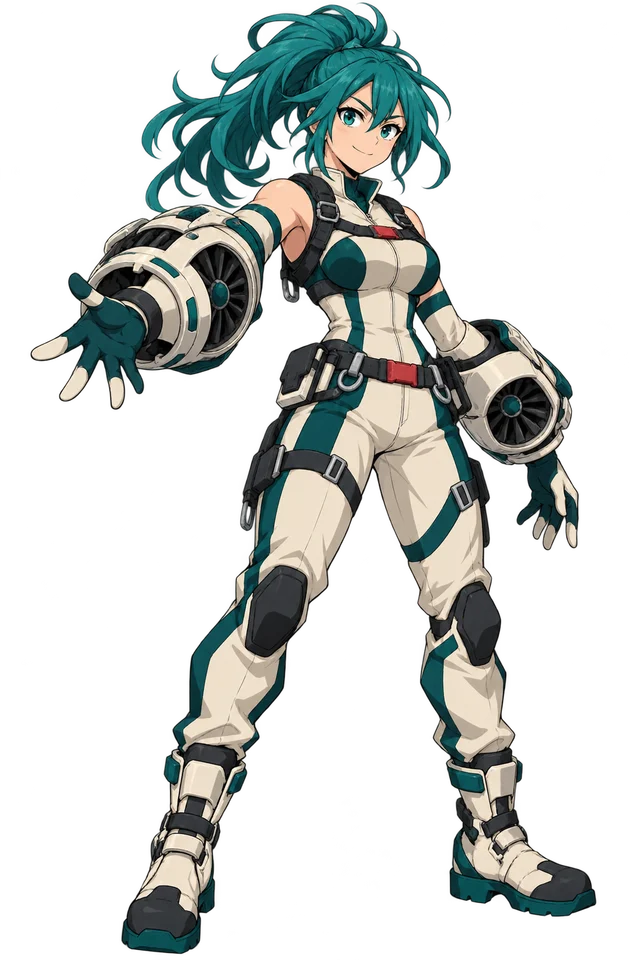
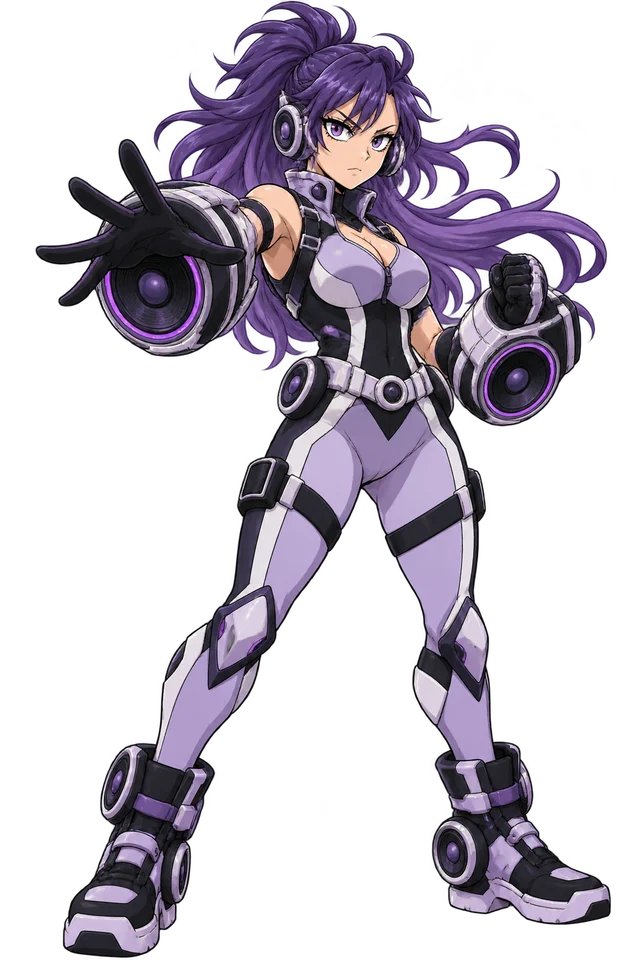
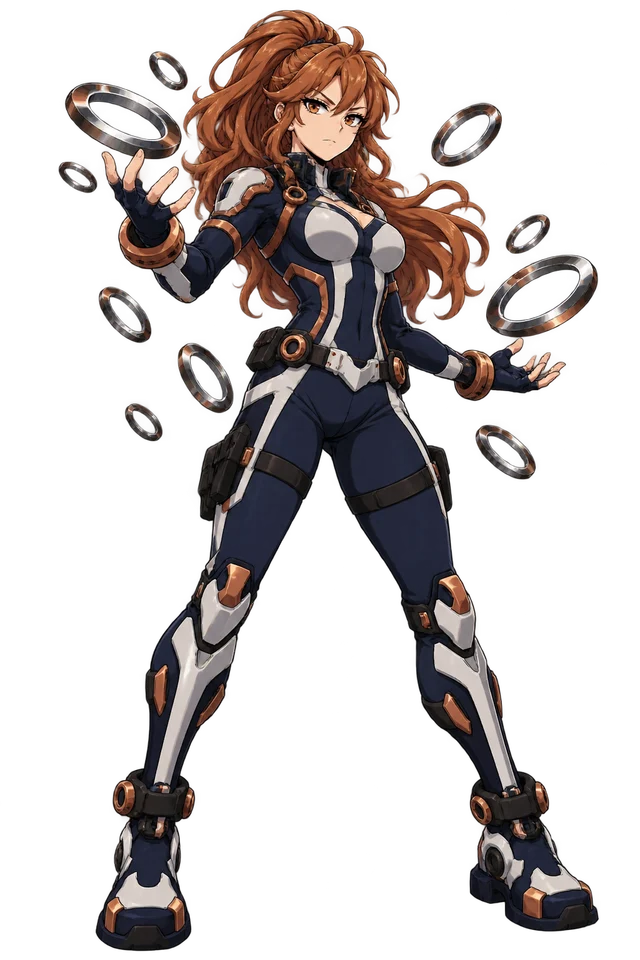
Use the artwork as a beginning. Let a role, a limitation, and a relationship shape the character you write.
01Give the Quirk an operational limit
Define the material, distance, or condition your hero actually controls. Air pressure is more specific than control over everything in the sky. Add a limit that affects decisions: a clear line of sight, a short working distance, or a recovery interval. Then build a scene where using the ability has a cost. A restriction should produce a choice, rather than merely sound dramatic in a profile.
02Make the costume solve a problem
Choose equipment after choosing the Quirk. A visor can protect against airborne grit; a brace can support a repetitive movement; an insulated sleeve can separate a hero from their own equipment. Keep one recognizable shape visible at thumbnail size. If every surface has a different symbol, the costume becomes difficult to remember and harder to redraw consistently in your own stories.
03Choose a role before a ranking
A rescue specialist, investigator, and front-line defender need different habits even when their abilities overlap. Decide who depends on your hero and what kind of mistake would damage that trust. An ambition such as becoming dependable during evacuations creates more scenes than simply becoming the strongest. Use that ambition to choose a teammate, rival, or mentor for the character sheet.
04Connect confidence with a blind spot
Give the hero one skill they trust and one situation they misread. A quick responder may act before hearing a plan; a patient strategist may wait too long. These are useful tensions because the same trait can help in one scene and hurt in another. The finished OC should still feel capable, with room to learn through specific relationships and choices.